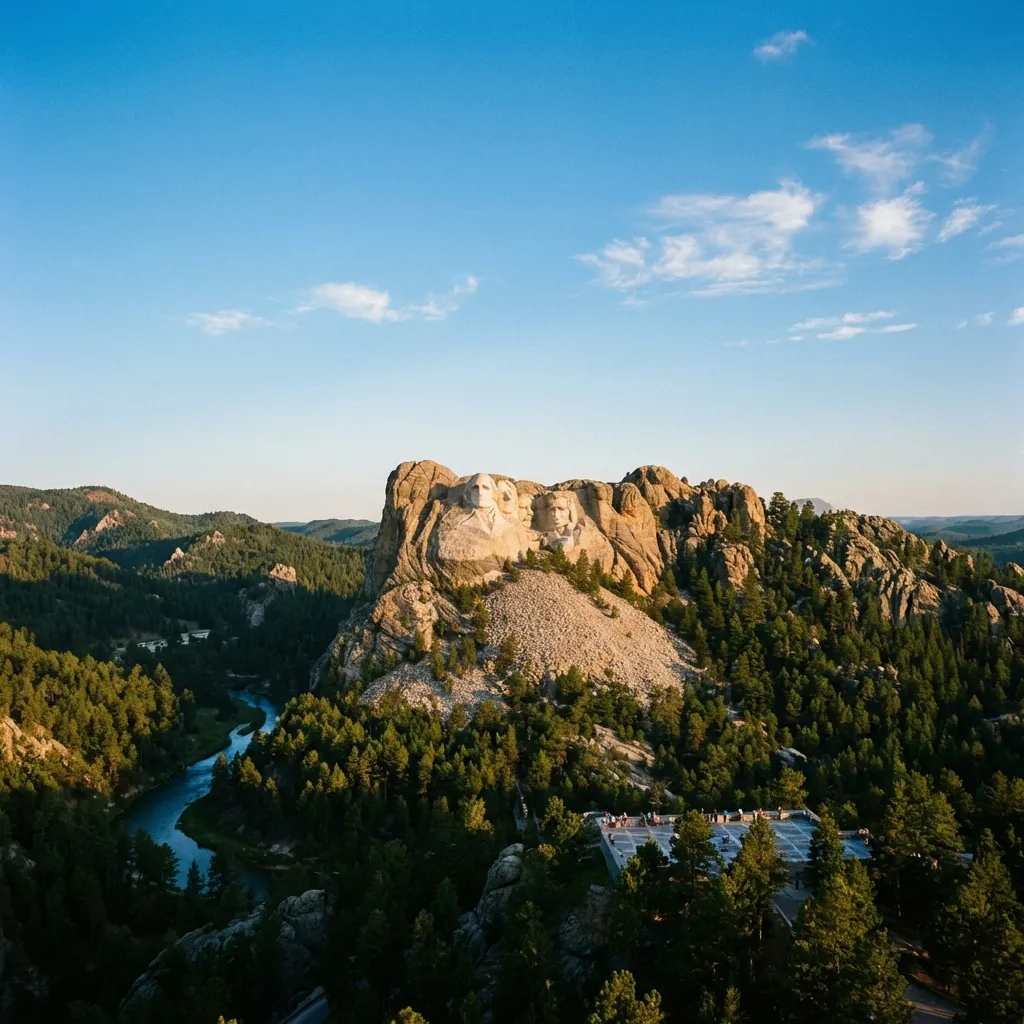
A timing guide for a smoother memorial visit
Best Time to Visit Mount Rushmore
September is the strongest all-around month. Here is how crowds, parking, and seasonal hours change the plan.
Updated: August 30, 2026 | NPS hours and seasonal programming reviewed
Quick answer: choose September
September is the best time to visit Mount Rushmore for most travelers. The National Park Service identifies May, September, and October as less-busy alternatives to the June-through-August peak. September keeps the formal evening lighting program through the end of the month while easing the summer crowd pressure. If summer is your only option, timing your arrival matters even more: NPS suggests visiting before 9 a.m. or after 3:30 p.m. during the busiest months.
Best overall
September for lighter crowds and the evening program.
Best daily timing
Before 9 a.m. or after 3:30 p.m. in summer.
Best for quiet
Winter, if reduced facilities and weather are acceptable.
“Want to avoid the crowds? Consider visiting before 9:00 a.m. or after 3:30 p.m. during our busiest times.”
Pick the season that matches your trip
There is no universally perfect month. The choice is between a complete summer schedule, quieter views, and the tolerance you have for weather. The important distinction is that a visit to the carving can work year-round, while the full visitor-facility and ranger-program experience is seasonal.
June through August
The fullest schedule and long days
These are the memorial's busiest months. Plan an early or late visit rather than a midday stop.
September
Best overall balance
NPS lists September among the less-busy months, while the summer evening program still runs through month-end.
October
Quieter views and fall road-trip days
The formal evening program and Sculptor's Studio are closed for the season, and visitor-center hours shorten.
November through April
A quiet, winter-focused visit
The grounds remain open weather permitting, but facilities have reduced hours and winter conditions can affect the experience.
Crowds: month matters, but time of day matters more
June, July, and August are the busiest months at Mount Rushmore. That does not make a summer visit a bad choice; it means treating the memorial as an early or late stop instead of a late-morning add-on. A summer arrival before 9 a.m. gives you the best chance to see the Avenue of Flags and Grand View Terrace before the largest daytime rush. After 3:30 p.m. is the other NPS-recommended window and works especially well if you plan to stay into the evening.
Do not rely on an old itinerary for a formal lighting-program start time. NPS changes its schedule by season, and the program only operates from late May through the end of September. Check the official hours page on the week of your visit, then build in time to park, walk to the amphitheater, and get settled.
The dates to double-check
- June through August: plan your arrival around the NPS early/late crowd-avoidance guidance.
- Any holiday or major regional event: verify roads and lodging before assuming a normal drive. The annual Sturgis Rally changes Black Hills traffic patterns; use the Mount Rushmore crowd-avoidance guide for the current context.
- Winter or shoulder season: confirm current conditions before committing to trails or a long evening visit.
Make parking and hours part of the plan
Mount Rushmore is not a reservation-only attraction, but parking and facility hours still determine how relaxed the visit feels. The grounds and parking structure operate on a seasonal schedule, and the Lincoln Borglum Visitor Center, Information Center, Sculptor's Studio, and evening program do not all follow identical hours. That is why the best visit is often a timing decision rather than a different month altogether.
For a short visit
Arrive early, see the viewing areas and trail, then move on before late-morning congestion.
For an evening visit
Use the official schedule, not a generic sunset time, and leave room for parking and the walk in.
For winter
Treat the scenery as the purpose, then confirm weather, grounds access, and any facility limits immediately before departure.
For current parking fees, exact facility hours, and the lighting-program schedule, use our Mount Rushmore tickets, hours, and fees guide alongside the NPS schedule.
Where to stay once you pick the timing
Staying near the memorial is most useful when an early arrival or an evening program is central to your day. Keystone gives you the closest base; Rapid City has the widest range of lodging and works well for a larger Black Hills itinerary.
Frequently asked questions
What is the best month to visit Mount Rushmore?
September is the best overall month for most visitors. The National Park Service lists September as a less-busy month than June through August, and the evening lighting program still runs through September 30. Check the current NPS hours page before you go because facility schedules are seasonal.
What time of day is best for Mount Rushmore?
During the busy June-through-August period, the National Park Service recommends arriving before 9 a.m. or after 3:30 p.m. Those windows are the best bet for avoiding the largest crowds. If you want the formal evening program, allow enough time to park and get seated before it begins.
Is Mount Rushmore open year-round?
Yes. Mount Rushmore's grounds and parking structure are open year-round, weather permitting, while visitor facilities are generally open daily except December 25. Hours change by season, and the formal evening lighting program only runs from late May through September.
Can you visit Mount Rushmore in winter?
Yes, and winter is a good choice for travelers who prioritize quiet over a full summer schedule. The sculpture is illuminated nightly year-round, but the formal evening program does not run in winter, the Sculptor's Studio is closed, and weather can limit parts of the visit.
Official sources used for this guide
- National Park Service: Mount Rushmore trip planning — annual visitation context, busiest months, and NPS crowd-avoidance arrival windows.
- National Park Service: Mount Rushmore operating hours and seasons — current grounds, facility, Sculptor's Studio, and evening-program schedules.