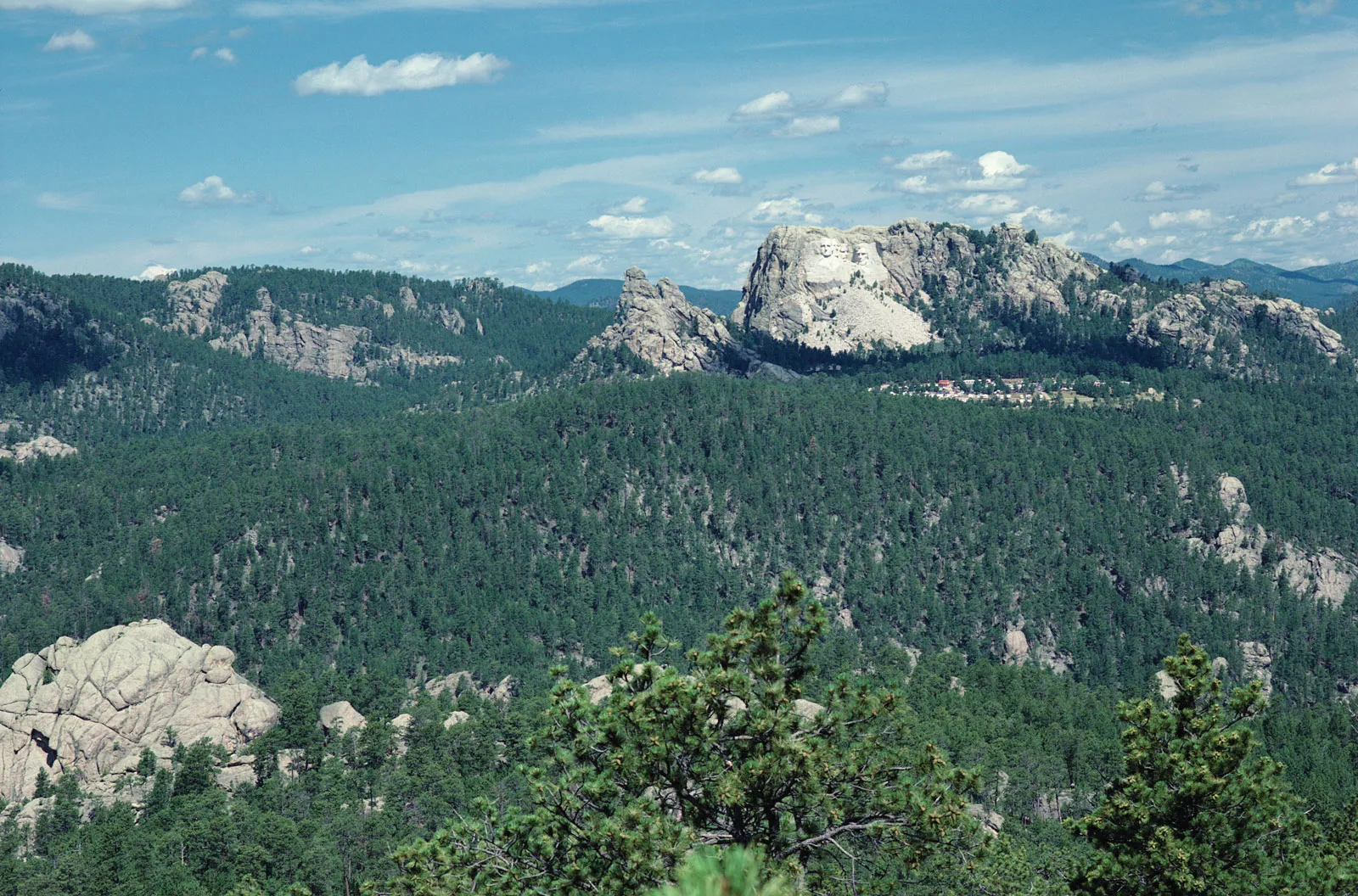
A statewide guide, not just a Black Hills forecast
Best Time to Visit South Dakota
September is the best overall month. The right season changes when your route crosses the Black Hills, Badlands, prairie, and eastern cities.
Updated: August 30, 2026 | State tourism, NPS, and SDDOT sources reviewed
Quick answer: September for most road trips
September is the best all-around time to visit South Dakota. It is an editorial recommendation based on the state's regional climate and seasonal operating realities: warm but less intense temperatures than midsummer, a calmer travel window after the peak summer period, and a better chance to combine western and eastern stops comfortably. If your priority is the widest choice of seasonal businesses and the longest days, late May through early September is easier. If winter sports are the point, winter can be excellent—but it is a different kind of trip.
Best overall
September for a multi-region driving itinerary.
Best for first visits
Late May through early September for a fuller seasonal schedule.
Best for snow activities
December to early March, with a flexible route.
“The east sees moderate humidity and precipitation, while the west tends to be drier with less rainfall.”
South Dakota is not one weather zone
A statewide itinerary can cover very different landscapes in a few days. The Black Hills have elevation and mountain weather; the Badlands are hotter and more exposed; and central and eastern South Dakota follow their own prairie and river conditions. That is why the right question is not only “what is the best month?” but also “what is on my route?”
| Region | Reference point | Avg. high | Avg. low | What it means for a trip |
|---|---|---|---|---|
| Black Hills gateway | Rapid City | 73°F | 45°F | Good base climate, but higher-elevation stops such as Mount Rushmore run cooler. |
| Badlands | Badlands National Park | 81°F | 51°F | Warmer and more exposed than the Black Hills; water and sun protection still matter. |
| Missouri River / central | Pierre | 76°F | 49°F | A practical midpoint for an east-west road trip, with warmer afternoons than either end of the state. |
| Eastern South Dakota | Sioux Falls | 73°F | 49°F | Similar daytime temperature to Rapid City, but conditions do not track the west side of the state exactly. |
What each season is really good for
Spring (April to May)
Wildflowers, lower demand, and flexible travelers
Spring can be lovely, but it is not reliably settled. Travel South Dakota notes that western South Dakota can still see spring snow showers, while late-spring rain and thunderstorms are common statewide.
Summer (Late May to early September)
First trips, open seasonal businesses, and long days
This is the state's most popular travel season. Expect roughly 15 to 16 hours of daylight, with heat and thunderstorms part of the tradeoff—especially in the Badlands and on the prairie.
Fall (September to October)
A cooler multi-region road trip and autumn scenery
September is our top all-around pick. By October, fall days can still be mild, but the first freeze is generally in early October and snow remains possible, so route flexibility matters.
Winter (December to early March)
Skiing, snowmobiling, and a purpose-built winter trip
Choose winter for winter activities, not as the easy default for a drive across the state. Check conditions and alerts immediately before each travel day.
The route realities that change the answer
Black Hills: use Rapid City only as a gateway baseline. Higher-elevation stops can be cooler, which is pleasant in summer but means layers are useful in every season. For the memorial specifically, see our Mount Rushmore timing guide rather than assuming its conditions match the rest of the state.
Badlands: midsummer is materially hotter and more exposed than the Black Hills. NPS says summer heat can exceed 100°F and that thunderstorms can be severe, so schedule hiking early, take water seriously, and check the local forecast rather than carrying a Black Hills plan straight east.
Interstate and back-road travel: in any season, a long drive can be the vulnerable part of the itinerary. Construction, incidents, weather, and winter alerts are dynamic; check the official statewide map before a drive, not when planning the trip weeks earlier.
Planning a Black Hills segment?
This page is intentionally statewide. Once your route turns west toward Rapid City, use the dedicated guides below for the local timing, weather, and lodging choices that a South Dakota overview cannot answer well.
Frequently asked questions
What is the best month to visit South Dakota?
September is the best overall month for a South Dakota road trip. It balances comfortable temperatures across the state with a less intense summer travel period. It is especially strong for combining the Black Hills, Badlands, and central or eastern South Dakota; always check the forecast and road conditions close to departure.
What is the best time to visit South Dakota for a first trip?
Late May through early September is the easiest range for a first trip because seasonal businesses are open and daylight is long. June and September are generally the better choices for travelers who prefer more moderate temperatures than midsummer.
Is September a good time to visit Mount Rushmore and the Badlands?
Yes. September is an especially practical month for combining Mount Rushmore and Badlands National Park because the two places have very different conditions. Rapid City averages a 73°F high in September, while Badlands National Park averages 81°F, so use layers for the higher Black Hills and carry sun protection and water in the Badlands.
Is winter a good time for a South Dakota road trip?
Winter works best when winter sports are the goal. South Dakota has ski areas and snowmobile trails, but a statewide sightseeing road trip needs a flexible plan and current road information from SDDOT and SD511 before each driving day.
Official sources used for this guide
- Travel South Dakota: Weather, temperatures, and seasons — statewide seasonal guidance and climate averages for Rapid City, Pierre, Aberdeen, and Sioux Falls.
- National Park Service: Badlands National Park weather — Badlands temperature averages, weather variability, and heat or thunderstorm guidance.
- South Dakota Department of Transportation: travel conditions — SD511 and current construction, closure, and winter-alert resources.